Choosing the right gourmet hamper for a client is a blend of art and science. It’s not just about packing the most expensive cheeses and truffle‑infused chocolates; it’s about reading the client’s personality, anticipating their needs, and presenting a curated experience that feels both thoughtful and indulgent. In this guide we’ll walk through the essential steps—starting with understanding the client’s palate, selecting a theme, balancing quality with quantity, mastering presentation, managing budget, and timing logistics. By the end, you’ll have a clear roadmap for creating a hamper that leaves a lasting impression.
Understanding Your Client’s Palate
Before you even think of a hamper, you need to know who you’re catering to. A well‑chosen hamper is like a good joke: it lands only when you know your audience.
Identify Preferences
- Ask the right questions: “Do you prefer sweet or savory?” “Are you a wine connoisseur or a craft beer enthusiast?” Review past gifts: If you’ve sent a hamper before, note what was enjoyed and what was left untouched. Observe buying patterns: A client who shops at high‑end markets likely appreciates artisanal products.
Consider Dietary Restrictions
- Allergies and intolerances: Gluten, nuts, dairy—double‑check labels. Lifestyle choices: Vegan, keto, paleo—each demands a different selection. Health-conscious options: Low‑sugar, organic, or locally sourced items can add a touch of care.
> “A gift that respects the recipient’s lifestyle is a gift that’s truly appreciated.” – Anonymous
Selecting the Theme
Once you know the client’s tastes, decide on a theme that ties the hamper together. A theme gives the hamper cohesion and a story.
Classic Elegance
- Products: Fine cheeses, aged balsamic, premium crackers, and a bottle of Bordeaux. Packaging: Neutral tones, polished wood boxes, and a silk ribbon. Mood: Timeless sophistication—like a well‑written novel that never goes out of style.
Seasonal Flair
- Products: Harvest‑season fruits, pumpkin‑spiced pastries, or summer berries. Packaging: Bright colors, seasonal motifs, and biodegradable materials. Mood: Fresh and vibrant—think of a garden in full bloom, inviting the client to savor the moment.
Whimsical Surprise
- Products: Unexpected pairings—matcha‑infused chocolates, lavender honey, or spicy chocolate truffles. Packaging: Playful designs, quirky labels, and a handwritten note. Mood: Lighthearted, like a surprise party where every bite is a new discovery.
Quality vs. Quantity
The old adage “less is more” holds true in hamper curation, but the right balance depends on the client’s profile and the occasion.
- Quality: Aim for at least 70% premium items. A single, high‑end product can elevate the entire hamper. Quantity: Enough to feel generous, but not so many that the hamper becomes a cluttered buffet. Variety: Include a mix of textures and flavors—cheeses, chocolates, nuts, and a small beverage. Packaging: High‑quality materials signal care and professionalism.
Checklist for Quality
- Source: Verify the origin—local artisans, well‑known producers, or reputable importers. Freshness: Use products with long shelf lives or those that can be safely stored until delivery. Presentation: Each item should be visually appealing and properly protected.
Presentation Matters
The first impression is often visual, so invest in packaging that reflects the client’s taste and the hamper’s theme.
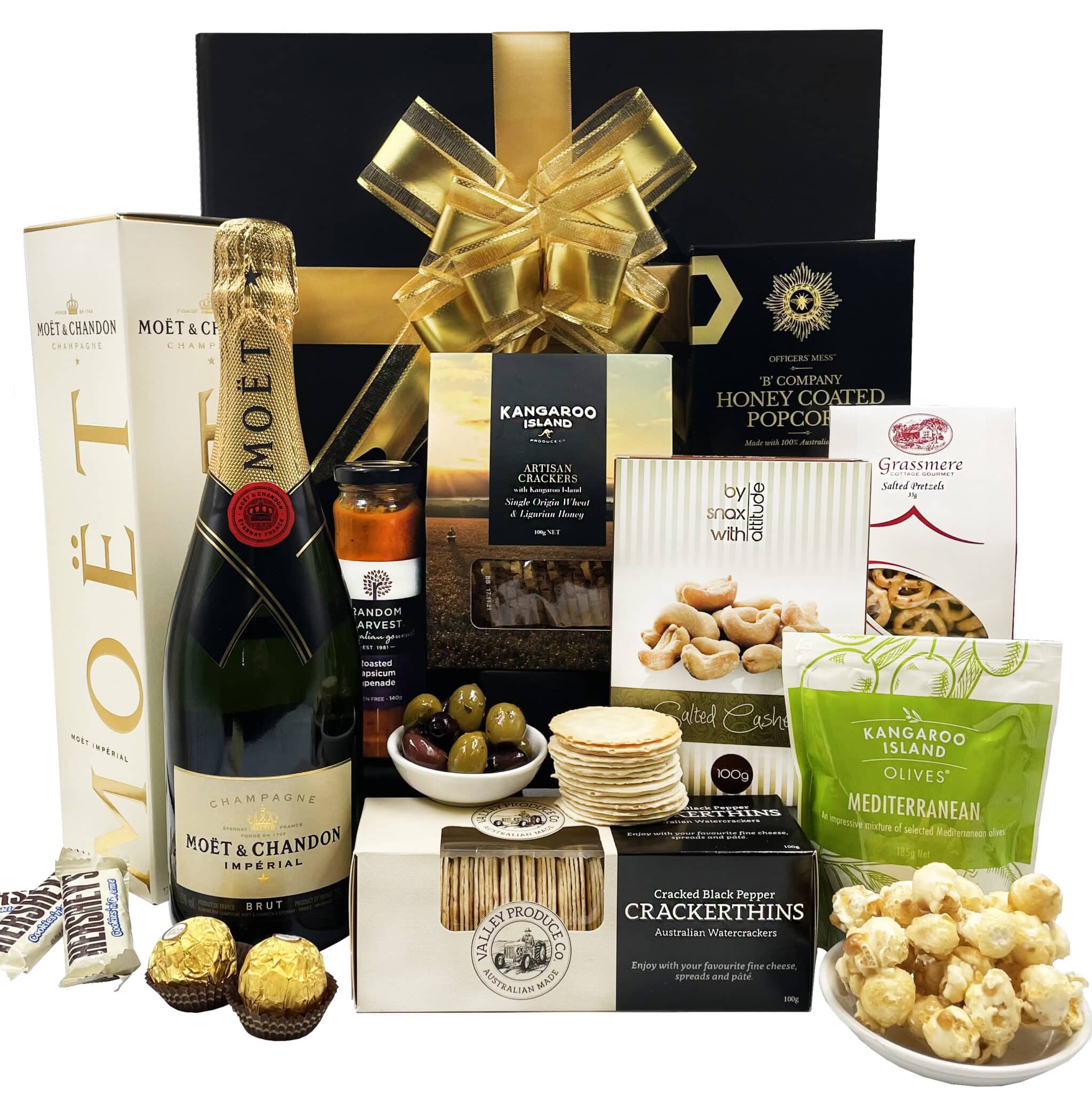
Packaging Choices
- Eco‑friendly options: Recycled cardboard, bamboo, or glass jars. Luxury materials: Velvet bags, leather straps, or embossed tins. Custom branding: Add the client’s logo or a personalized monogram for a bespoke touch.
Personal Touches
- Handwritten note: A short, sincere message can turn a gift into a memorable gesture. Custom label: “For [Client Name] – A Taste of Excellence” adds a personal flair. Small surprise: A tiny token—like a scented candle or a mini cocktail kit—can create delight.
Budget and ROI
A gourmet hamper is an investment. Knowing how to allocate funds ensures you deliver value without overspending.
- Set a clear budget: Decide how much you’re willing to spend per hamper. Allocate funds: 60% for premium items, 20% for packaging, 20% for personalization. Track ROI: Measure client satisfaction, repeat business, or referrals to gauge success. Negotiate bulk rates: Work with suppliers for volume discounts or exclusive deals.
Timing and Logistics
Gourmet crackersEven the best hamper can be ruined by poor timing. Plan delivery and storage with precision.
- Lead time: Order items at least two weeks before the intended delivery date. Shipping method: Use temperature‑controlled couriers for perishable goods. Delivery window: Schedule during business hours to avoid missed deliveries. Storage instructions: Include a care sheet—e.g., “Keep in a cool, dry place for best flavor.”
Making Your Selection Count
Choosing the right gourmet hamper for a client is more than a transaction—it’s an opportunity to strengthen relationships, showcase professionalism, and delight the senses. By combining thoughtful research, a clear theme, high‑quality products, elegant presentation, smart budgeting, and precise logistics, you create a gift that speaks volumes.

Remember: a well‑chosen hamper is like a well‑written letter—personal, polished, and leaving the recipient White wine gift baskets eager to respond. So next time you’re faced with the task of selecting a gourmet hamper, ask yourself: “What story will this hamper tell?” and let that guide your choices. Happy gifting!